
Submitted abstracts must present original work that has not been previously published or presented at another conference and must be written in clear and concise English. Authors are encouraged to ensure that their submissions adhere to the conference requirements. For detailed formatting and submission instructions, please download the official abstract submission guidelines and template provided below.

Submit a Paper

THEMATIC AREAS
Biodiversity Science, Assessment, and Restoration
Frontiers in Biodiversity Science and Ecosystem Assessment, Nature-Based Solutions for Ecosystem Restoration and Resilience, Advances in Conservation Biology and Species Protection, Blue and Green Ecosystems: Marine, Coastal, and Terrestrial Integration.

Research, Innovation, and Emerging Technologies
Digital Transformation in Biodiversity Monitoring (AI, GIS, Remote Sensing), Biotechnology and Conservation Innovation, Data-Driven Decision-Making for Sustainability, Smart and Sustainable Campuses as Living Laboratories.
Climate-Biodiversity Nexus
Climate Change Impacts on Biodiversity and Ecosystems, Ecosystem-Based Adaptation and Mitigation Strategies, Carbon Sequestration through Nature-Based Solutions, Resilience Pathways for Vulnerable Ecosystems and Communities.

Communities, Indigenous Knowledge, and Social Inclusion
Indigenous and Local Knowledge in Conservation Practice, Community-Based Biodiversity Management and Stewardship, Equity, Inclusion, and Environmental Justice in Sustainability, Behavioral Change and Public Engagement for Biodiversity.
Education, Capacity Building, and Sustainability Literacy
Transformative Education for Biodiversity and Sustainability, Sustainability Literacy and Competency Development, Higher Education Institutions as Catalysts for Biodiversity Action, Innovative Pedagogies and MOOCs for Sustainability.
Smart Communities and Biodiversity
Exploring the use of AI, remote sensing, IoT, and data platforms to track ecosystems, species, and environmental changes in real time, integrating green infrastructure, ecosystem restoration, and climate adaptation strategies into community planning, Leveraging geospatial technologies and data analytics to balance development with biodiversity conservation, Designing buildings, transport systems, and energy solutions that minimize ecological disruption.
Sustainable Economies and Green Financing
Biodiversity Finance and Green Investment Mechanisms, Circular Economy and Resource Efficiency, Sustainable Livelihoods and Eco-Entrepreneurship, Corporate Sustainability and ESG Integration.
Monitoring, Evaluation, and Impact Measurement
Metrics, Indicators, and Reporting for Biodiversity and SDGs, Impact Assessment of Conservation Programs, Data Systems, Dashboards, and Institutional Reporting, Transparency, Accountability, and Evidence-Based Policy.
Port-Marine Biodiversity and Ecosystem Protection
Conservation, restoration, and sustainable management of marine and coastal ecosystems. It encompasses studies on marine biodiversity, habitat restoration, pollution prevention, ecosystem monitoring, climate resilience, and sustainable port and coastal development to support environmental sustainability and the blue economy.

Deadline for Submission of Abstract Papers
September 2, 2026

General Guidelines
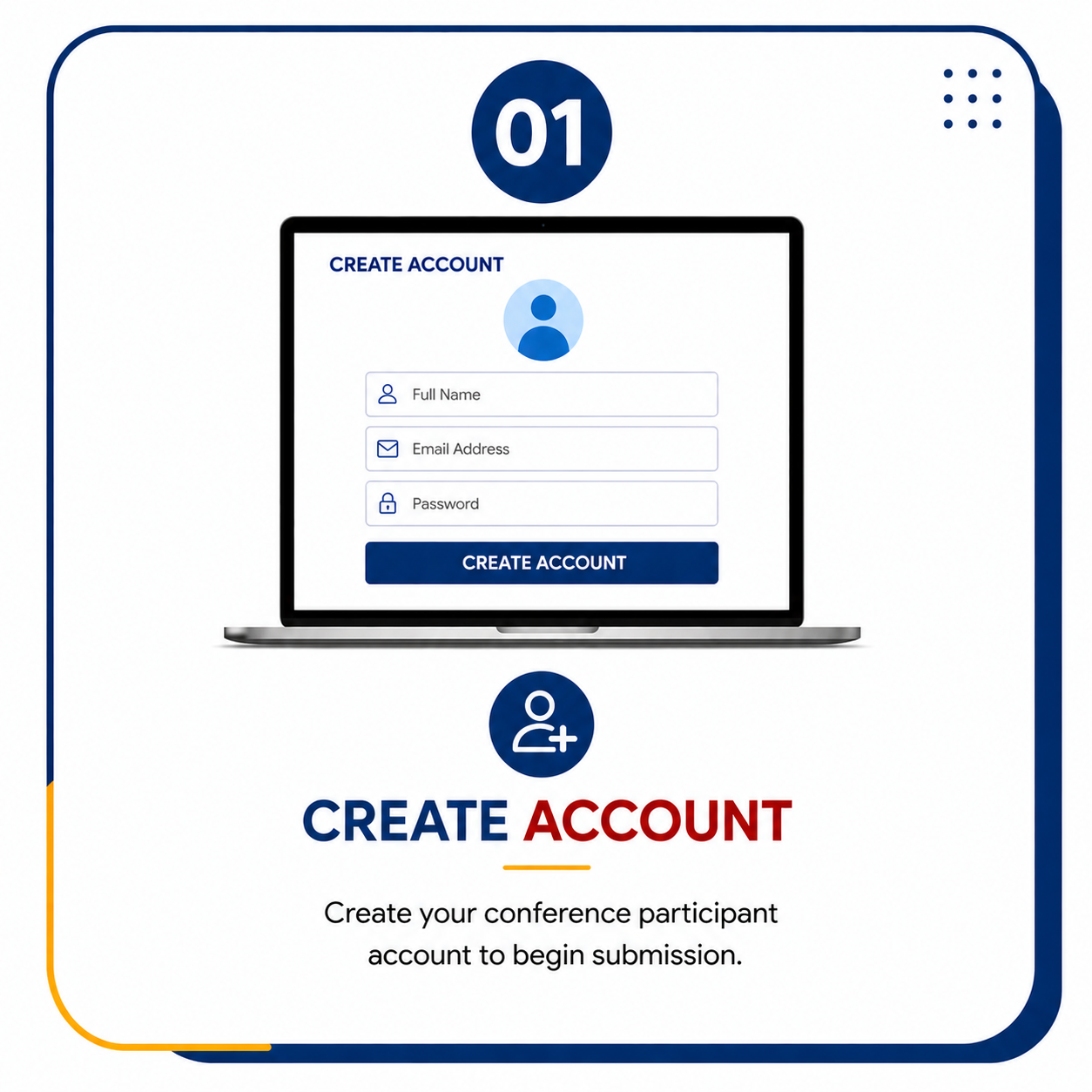
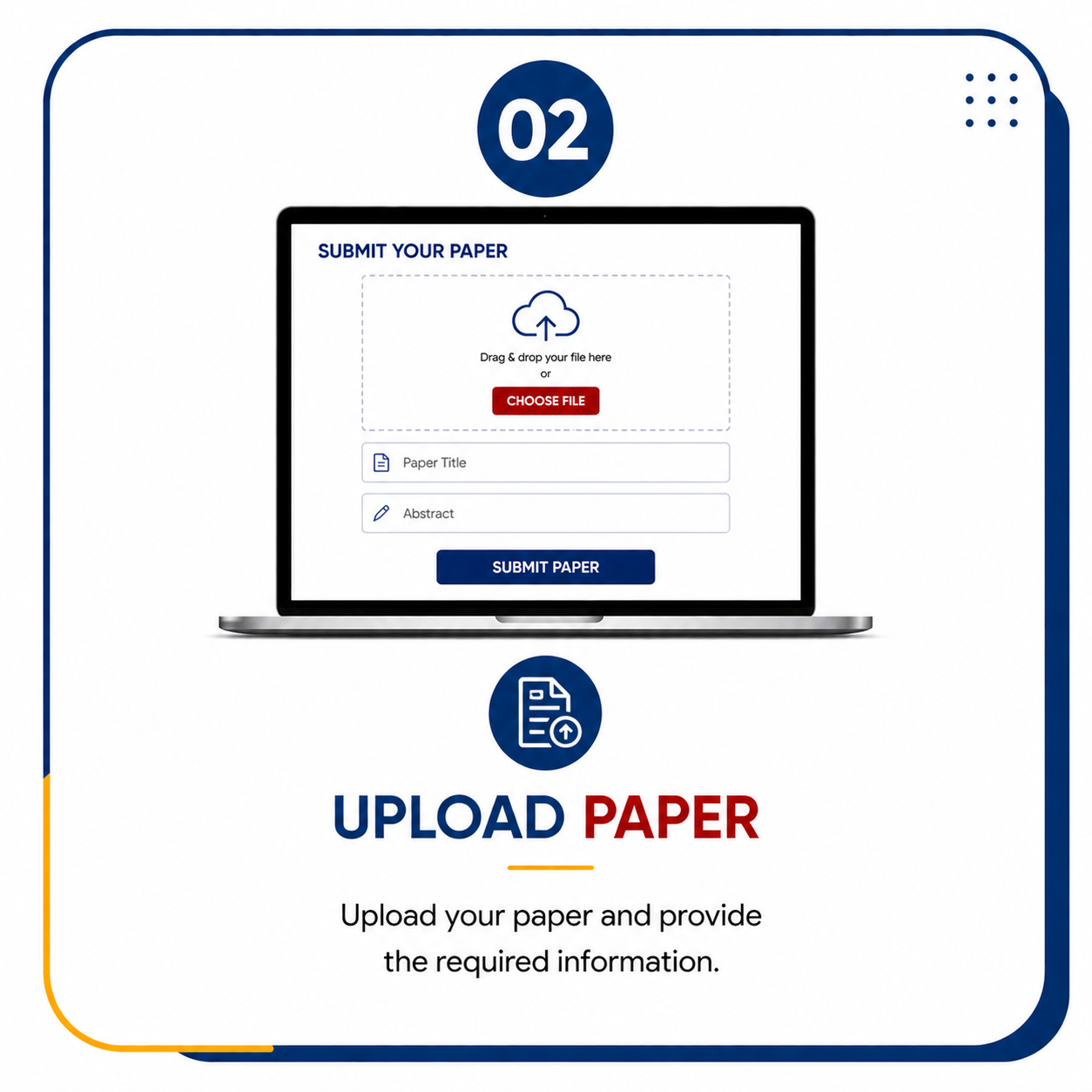
All abstracts must be submitted through the conference's official submission system on or before the specified submission deadline. Late submissions may not be considered. Upon successful submission, the corresponding author will receive an acknowledgment confirming receipt of the abstract. All submitted abstracts will subsequently undergo a peer-review process conducted by the Conference Scientific Committee to evaluate their quality, originality, and relevance to the conference theme.

Submit Your Paper Now
Share innovative studies, transformative ideas, and evidence-based solutions that contribute to sustainable development worldwide.
Notification of Acceptance
Corresponding authors will be notified of the review results on the announced notification date. Authors of accepted abstracts will be invited to present their work through an oral presentation during the conference, which will be held on September 28–30, 2026.
Full Paper Submission
Authors of accepted abstracts will be invited to submit their full papers following the conference's prescribed template and submission guidelines. Full papers will undergo an additional review process before being considered for presentation and possible publication in the partner journals, subject to each publication's editorial policies and quality standards.
Presentation
At least one author of each accepted paper must register for the conference and present the work during the assigned session. Failure to present may result in the removal of the paper from the conference proceedings or publication consideration.